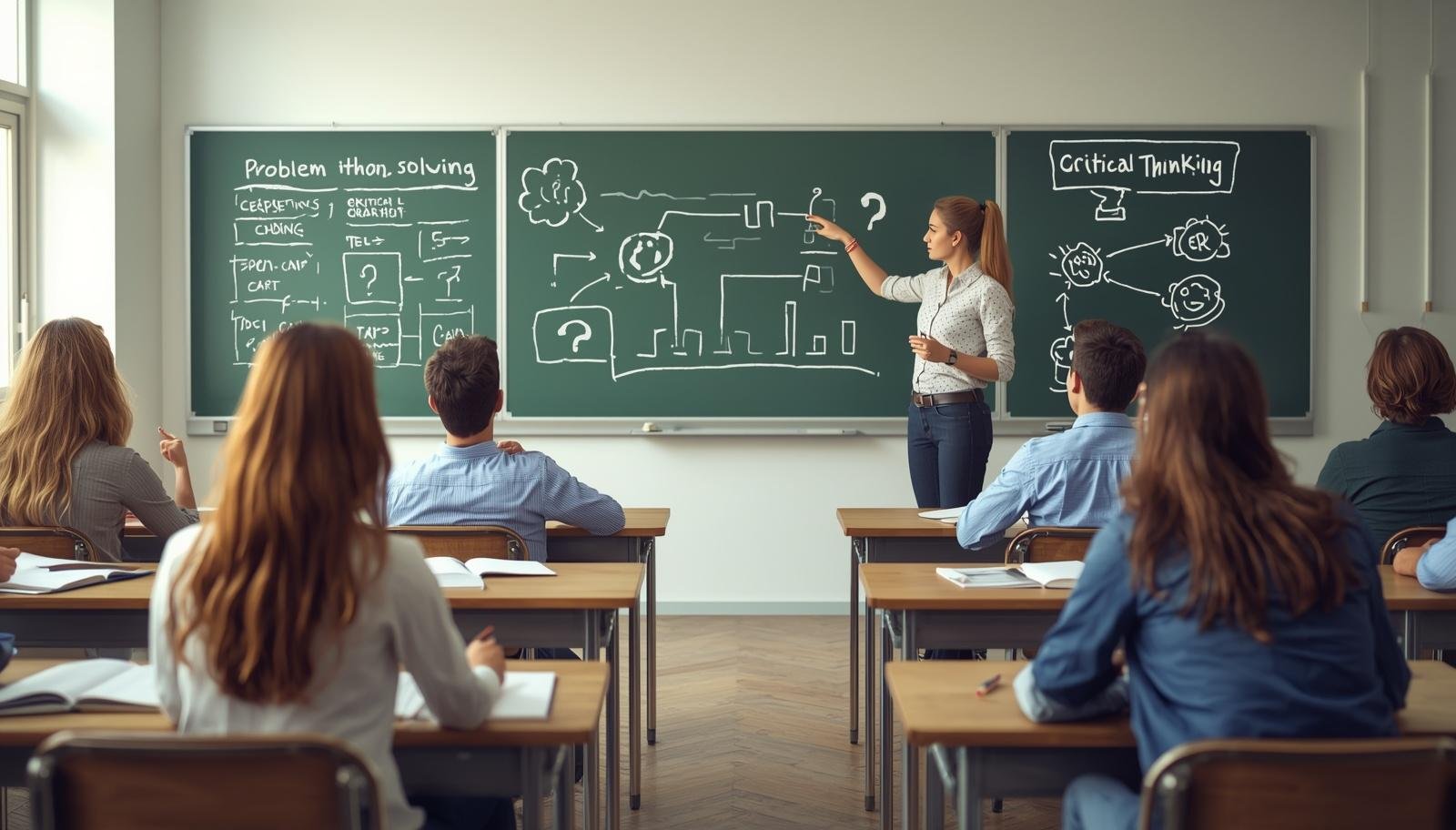
Classroom learning depends on methods used by teachers to guide students. Teachers use structured techniques to help students understand content, stay involved in lessons, and develop skills for future learning.
In many education systems, teaching is not limited to delivering information. It includes planning activities, managing participation, asking questions, and checking understanding. These actions shape how students respond to learning.
This article explains classroom techniques teachers use to inspire young minds. It focuses on methods, structure, communication, and learning processes used in education systems worldwide.
Meaning of Classroom Techniques
Classroom techniques are methods used by teachers during instruction. These methods guide how lessons are delivered and how students participate.
Techniques include:
- Questioning methods
- Group work
- Demonstration
- Practice tasks
- Feedback systems
- Discussion sessions
Each technique supports learning in different ways.
Role of Teachers in Classroom Learning
Teachers organize learning environments. They set goals, explain content, and support student understanding.
Teachers also:
- Present information
- Monitor progress
- Manage time
- Support behavior
- Guide practice
The teacher role includes instruction and guidance.
Questioning Techniques
Questions are used to guide thinking and check understanding.
Types of Questions
- Recall questions
- Explanation questions
- Comparison questions
- Problem questions
Teachers use questions to involve students in lessons.
Discussion Method
Discussion allows students to share ideas.
Steps in Discussion
- Teacher presents topic
- Students share views
- Group responds
- Teacher summarizes
Discussion supports communication and understanding.
Demonstration Method
Teachers show how to complete tasks.
Examples include:
- Science experiments
- Math problem steps
- Writing structure
Students observe and repeat process.
Group Work
Group work allows students to complete tasks together.
Benefits include:
- Shared responsibility
- Communication practice
- Peer support
Teachers assign roles within groups.
Practice and Exercise
Practice helps students apply knowledge.
Teachers give tasks such as:
- Worksheets
- Problem sets
- Writing tasks
Practice supports skill development.
Feedback Method
Feedback informs students about performance.
Teachers provide:
- Correct answers
- Error identification
- Improvement guidance
Feedback supports correction.
Use of Examples
Examples help explain ideas.
Teachers use:
- Real situations
- Simple cases
- Step-by-step models
Examples support understanding of concepts.
Story Method
Stories are used to explain topics.
Teachers use stories to:
- Present history events
- Explain moral lessons
- Support language learning
Stories support memory.
Visual Tools
Teachers use visual tools to explain content.
Examples:
- Charts
- Diagrams
- Maps
- Boards
Visuals support understanding of structure.
Student Participation
Participation means student involvement in learning.
Teachers encourage:
- Answering questions
- Sharing ideas
- Completing tasks
Participation supports engagement.
Lesson Planning
Lesson planning organizes teaching steps.
Plans include:
- Topic
- Objective
- Activities
- Assessment
Planning supports structured learning.
Classroom Management
Classroom management maintains order.
Teachers manage:
- Time
- Behavior
- Activities
This supports learning environment.
Use of Technology
Technology supports teaching methods.
Tools include:
- Presentation systems
- Online platforms
- Video content
Technology supports instruction delivery.
Differentiated Instruction
Students learn at different levels.
Teachers adjust:
- Task difficulty
- Instruction pace
- Support level
This supports varied learners.
Inquiry-Based Learning
Inquiry learning uses questions to guide study.
Students:
- Ask questions
- Investigate answers
- Present findings
This supports reasoning.
Active Learning
Active learning involves student participation.
Methods include:
- Writing
- Speaking
- Problem solving
Students learn by doing tasks.
Assessment Methods
Assessment checks learning progress.
Types include:
- Tests
- Assignments
- Oral questions
Assessment guides improvement.
Motivation Techniques
Teachers use methods to support student interest.
Methods include:
- Encouragement
- Recognition
- Goal setting
Motivation supports effort.
Real-Life Connection
Teachers connect lessons to daily life.
Examples:
- Math in shopping
- Science in environment
- Language in communication
This supports understanding.
Role of Listening
Listening supports learning.
Teachers listen to:
- Student questions
- Student answers
- Student concerns
This supports feedback cycle.
Peer Learning
Students learn from each other.
Teachers organize:
- Pair work
- Group tasks
- Peer review
Peer learning supports understanding.
Revision Methods
Revision helps students remember content.
Teachers use:
- Summary sessions
- Practice tests
- Review activities
Revision supports retention.
Classroom Interaction
Interaction means communication in class.
Includes:
- Teacher and student talk
- Student and student talk
Interaction supports engagement.
Problem Solving Tasks
Teachers assign problems for practice.
Students:
- Analyze problem
- Apply method
- Check result
This supports thinking.
Role of Environment
Learning environment affects attention.
Teachers manage:
- Seating
- Noise level
- Materials
Environment supports focus.
Use of Reinforcement
Reinforcement supports behavior.
Types:
- Positive feedback
- Correction guidance
This supports improvement.
Homework System
Homework extends learning beyond class.
Teachers assign:
- Practice tasks
- Reading tasks
Homework supports repetition.
Communication Skills
Teachers build communication skills.
Students practice:
- Speaking
- Writing
- Presentation
This supports expression.
Classroom Routines
Routines support structure.
Examples:
- Attendance
- Daily review
- Task start
Routines support consistency.
Error Correction
Teachers correct mistakes.
Process:
- Identify error
- Explain reason
- Show correct method
This supports learning improvement.
Conclusion
Classroom techniques guide how teachers support learning. Methods such as questioning, discussion, practice, feedback, and group work shape student understanding.
Teachers use structured approaches to organize lessons and support student participation. These techniques help students learn content, build skills, and take part in education systems.
Effective classroom practice depends on planning, communication, and continuous improvement.