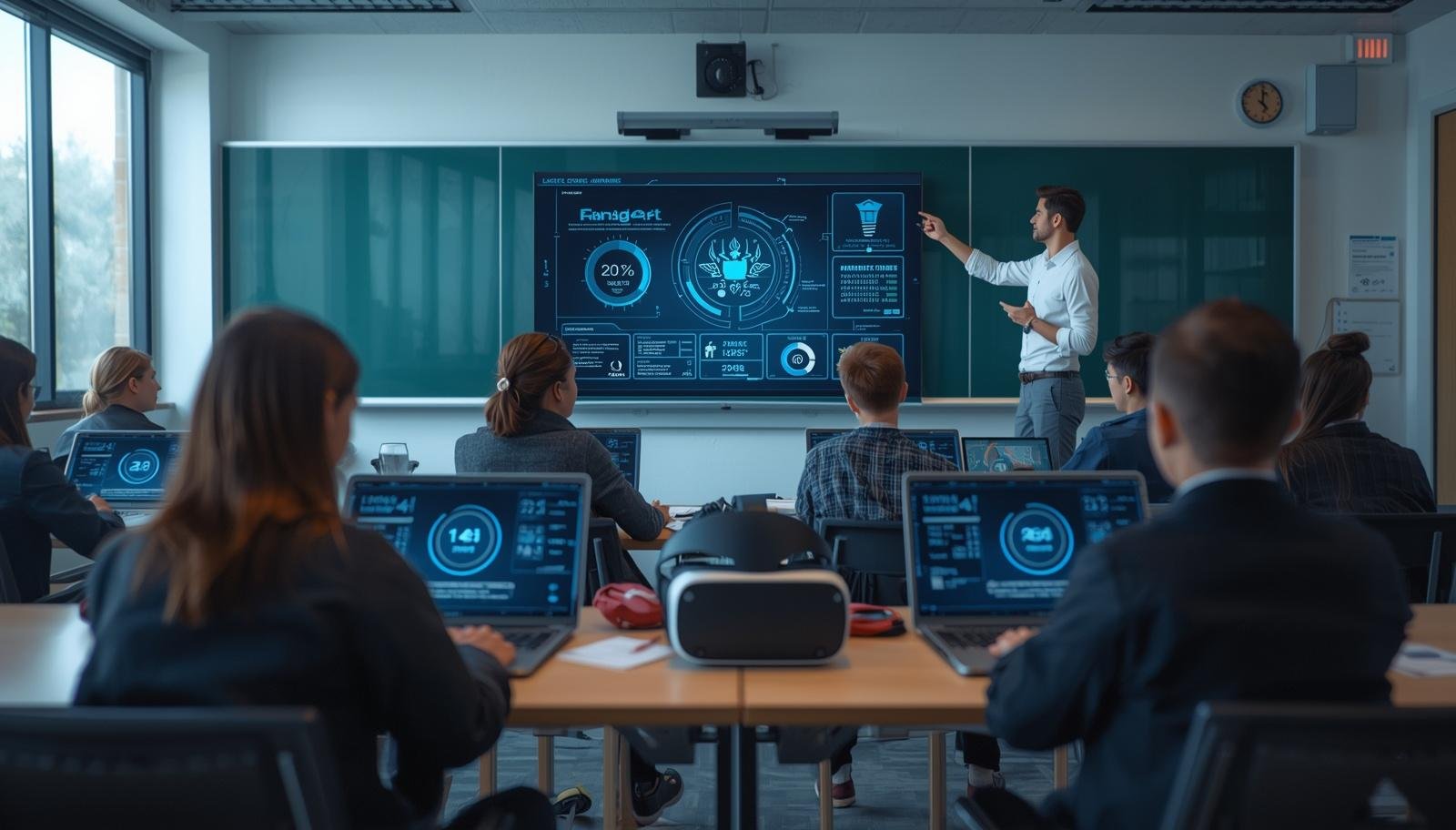
Education is changing through connected devices, learning platforms, data tools, and new teaching models. The classroom is no longer limited to four walls, printed books, and one-way lectures. Students can join lessons from home, review recorded sessions, submit work online, and access global resources at any time.
Digital classrooms are now part of schools, colleges, training centers, and workplace learning programs. At the same time, smart learning technologies are helping teachers manage lessons, track progress, personalize instruction, and improve communication.
The future of education will depend on how these tools are used. Technology alone does not create learning. Strong teaching, clear goals, student engagement, and access for all learners remain central.
This article explains the future of digital classrooms and smart learning technologies today. It covers systems, trends, benefits, challenges, and practical use cases that shape modern education.
What Is a Digital Classroom?
A digital classroom is a learning environment that uses internet-based tools and devices to support teaching and learning. It may exist fully online, fully on campus with digital systems, or in a blended format.
Common parts of a digital classroom include:
- Learning management systems
- Video conferencing tools
- Digital assignments
- Online quizzes
- Shared documents
- Discussion boards
- Recorded lectures
- Cloud storage
- Student dashboards
- Messaging tools
A digital classroom can support live learning, self-paced learning, or both.
What Are Smart Learning Technologies?
Smart learning technologies are tools that use automation, data, and adaptive systems to improve the learning process. These tools can respond to student progress, provide feedback, recommend content, and help teachers make decisions.
Examples include:
- Artificial intelligence tutors
- Adaptive learning platforms
- Learning analytics dashboards
- Speech-to-text tools
- Translation tools
- Virtual labs
- Augmented reality lessons
- Automated grading systems
- Smart attendance systems
- Personalized revision apps
These tools aim to make learning more targeted and efficient.
Why Digital Classrooms Are Growing
Several factors are driving growth in digital learning.
Access to Education
Students in remote areas can join courses without moving to another city.
Flexible Learning
Learners can study at times that fit work, family, or other responsibilities.
Lower Distribution Costs
Schools can share digital materials without printing large volumes.
Faster Updates
Teachers can update course content quickly.
Global Collaboration
Students can work with peers from other regions and countries.
Data for Improvement
Institutions can review engagement, completion rates, and outcomes.
Core Features of Future Digital Classrooms
The next stage of digital classrooms will combine several connected features.
Personalized Learning Paths
Not all students learn at the same pace. Future platforms will adjust content based on progress, quiz scores, and learning behavior.
A student who struggles with algebra may receive more practice tasks. A student who masters a topic quickly may move to advanced material.
Benefits include:
- Better pacing n- Targeted support
- Reduced boredom
- Improved retention
- Clear progress steps
Real-Time Feedback Systems
Fast feedback helps students correct mistakes before they become habits.
Future systems can provide:
- Instant quiz results
- Writing suggestions
- Skill gap alerts
- Practice recommendations
- Progress reports
Teachers can also use dashboards to identify who needs support.
Hybrid and Blended Learning Models
Many institutions will combine in-person teaching with digital tools.
Example model:
- In-class discussion on Monday
- Recorded lecture for home review
- Online quiz on Wednesday
- Group project in shared workspace
- Lab session on Friday
This model can use classroom time for interaction while digital tools support review and practice.
Artificial Intelligence in Education
Artificial intelligence is becoming part of learning systems.
How AI Can Support Students
- Answer routine questions
- Explain concepts in multiple ways
- Create practice quizzes
- Recommend study plans
- Translate content
- Support writing structure
How AI Can Support Teachers
- Grade objective quizzes
- Summarize class data
- Identify learning gaps
- Generate lesson drafts
- Organize resources
AI should support human teaching, not replace it.
Learning Analytics and Data Use
Learning platforms collect useful signals such as login activity, quiz results, completion rates, and time spent on tasks.
When used responsibly, analytics can help schools:
- Detect disengagement early
- Improve course design
- Measure outcomes
- Support interventions
- Compare teaching strategies
Data use should respect privacy and clear policies.
Virtual Reality and Augmented Reality
Immersive tools can help students explore places, systems, and processes that are hard to access in normal settings.
Use Cases
- Science simulations
- Medical training
- Historical site tours
- Engineering models
- Language practice scenarios
- Safety training
These tools can increase participation through experience-based learning.
Smart Content and Interactive Materials
Future learning materials will go beyond static text.
Examples:
- Clickable diagrams
- Embedded quizzes
- Auto-graded exercises
- Interactive timelines
- Video chapters with checkpoints
- Simulations inside lessons
Interactive content can help students test understanding while learning.
Digital Assessment Systems
Assessment is changing from paper tests alone to multiple formats.
Future systems may include:
- Online exams
- Project portfolios
- Skill demonstrations
- Recorded presentations
- Adaptive tests
- Continuous assessment dashboards
This can provide a broader view of student ability.
Collaboration Tools for Students
Modern work often happens in teams. Digital classrooms can build collaboration skills.
Common tools include:
- Shared documents
- Team boards
- Video meetings
- Peer review systems
- Group chat channels
- Project trackers
Students learn communication, planning, and accountability through group tasks.
Inclusion and Accessibility
Technology can help more learners participate when systems are designed for access.
Useful features include:
- Captions for video lessons
- Screen reader support
- Text resizing
- Color contrast settings
- Keyboard navigation
- Translation tools
- Flexible deadlines when needed
Inclusive design should be part of every platform.
Role of Teachers in Future Classrooms
Technology changes tools, not the need for teachers. Teachers remain central to guidance, motivation, ethics, discussion, and student support.
Future teachers may spend less time on repetitive tasks and more time on:
- Coaching students
- Leading discussions
- Designing learning experiences
- Giving feedback
- Supporting wellbeing
- Building critical thinking
- Managing collaboration
Teacher training will be important for this shift.
Skills Students Need in Smart Learning Environments
Students also need new skills to succeed.
Key Skills
- Digital literacy
- Time management
- Self-direction
- Communication
- Online research
- Collaboration
- Problem solving
- Media evaluation
- Data awareness
Schools should teach these skills alongside subject content.
Cybersecurity and Privacy
As education moves online, security becomes more important.
Risks include:
- Weak passwords
- Data leaks
- Phishing messages
- Device theft
- Unsafe file sharing
- Unauthorized access
Schools can reduce risk through:
- Secure platforms
- Staff training
- Student awareness
- Two-factor authentication
- Clear data policies
- Regular updates
Trust is essential for digital learning systems.
Challenges Facing Digital Classrooms
Technology offers benefits, but challenges remain.
Internet Access Gaps
Not all students have stable internet or devices. Access gaps can create inequality.
Solutions may include:
- Device loan programs
- Offline resources
- Low-bandwidth platforms
- Community access centers
- Mobile-friendly learning systems
Screen Fatigue
Long hours online can reduce focus.
Helpful responses:
- Shorter sessions
- Breaks between tasks
- Mixed offline activities
- Audio learning options
- Movement breaks
Teacher Workload During Transition
Moving courses online takes time. Teachers may need support with training, design, and technical systems.
Quality Control
nNot every digital course is effective. Strong design standards, feedback systems, and review processes are needed.
Future Trends to Watch
Several trends are likely to shape education over the next years.
Microlearning
Short lessons focused on one skill or concept.
Skills-Based Credentials
Digital badges and certificates linked to real skills.
Lifelong Learning Platforms
Adults returning for new skills throughout their careers.
AI Learning Assistants
On-demand support available across subjects.
Global Classrooms
Students learning with peers across borders.
Competency-Based Progression
Advancement based on mastery instead of seat time.
Best Practices for Schools and Institutions
To build strong digital classrooms, institutions can focus on the following steps.
Start With Learning Goals
Choose tools that support goals instead of buying tools first.
Train Teachers
Provide practical training and time to adapt.
Support Students
nTeach platform use, study habits, and digital safety.
Measure Outcomes
Track engagement, results, and feedback.
Improve Continuously
Update systems based on evidence.
Protect Access
Ensure all learners can participate.
Best Practices for Students
Students can gain more value from digital classrooms with clear habits.
- Keep a study schedule
- Check dashboards daily
- Ask questions early
- Use notes during lessons
- Review content weekly
- Back up files
- Protect passwords
- Join discussions
- Limit distractions
- Track deadlines
Role of Parents in School-Level Digital Learning
For younger learners, parents can help by:
- Creating study routines
- Checking device readiness
- Encouraging attendance
- Monitoring deadlines
- Supporting balance between screen time and rest
- Communicating with teachers when needed
Support should guide independence over time.
Economic and Social Impact
Digital education can affect society in wider ways.
Potential outcomes include:
- More access to training
- Faster workforce reskilling
- Lower geographic barriers
- New education jobs
- Cross-border collaboration
- Expanded entrepreneurship learning
The impact depends on affordability and access.
Will Traditional Classrooms Disappear?
Physical classrooms are likely to remain important. Human interaction, campus culture, labs, sports, and community experiences still matter.
The future is more likely to be blended rather than fully online or fully offline. Institutions will choose models based on age group, subject, goals, and local needs.
Conclusion
The future of digital classrooms and smart learning technologies is already taking shape. Learning platforms, artificial intelligence, analytics, immersive tools, and flexible teaching models are changing how education is delivered and experienced.
The strongest results will come from combining technology with sound teaching, student support, and equal access. Digital tools can expand opportunity, but people remain at the center of learning.
Schools, teachers, students, and families that build digital skills now will be better prepared for the next era of education.