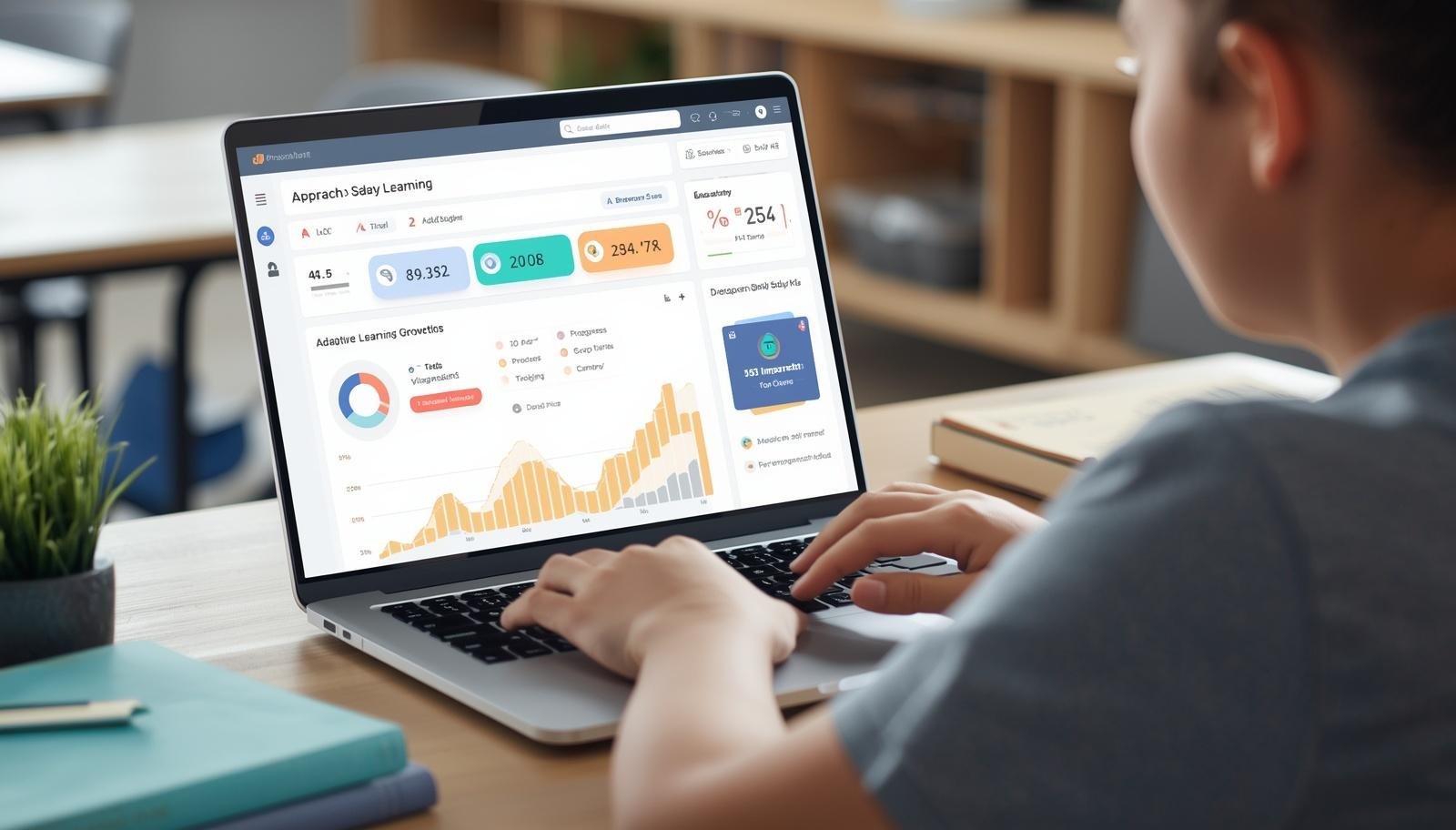
Personalized learning is an approach where learning content, pace, and methods are adjusted for each student. It changes how students interact with lessons, assignments, and feedback. Instead of one fixed path for all learners, each student follows a path based on progress and need.
Education systems now use digital tools, data systems, and flexible teaching methods to support personalized learning. Schools, colleges, and online platforms apply these systems to improve student performance and confidence.
This article explains how personalized learning improves student growth and confidence daily. It covers methods, systems, examples, and practical use in education settings.
Meaning of Personalized Learning
Personalized learning means instruction changes based on student performance and behavior. The system tracks progress and adjusts content.
Key elements include:
- Individual learning pace
- Targeted practice
- Progress tracking
- Feedback loops
- Flexible content delivery
Each student does not follow the same sequence at the same speed.
Why Personalized Learning Is Used
Traditional classrooms follow one plan for all students. Some students move faster, others need more time. This can create gaps in understanding.
Personalized learning addresses this by:
- Matching tasks to skill level
- Reducing repetition of known content
- Increasing practice for weak areas
- Supporting independent learning
Student Growth Through Personalized Learning
Growth means improvement in knowledge, skill, and performance over time. Personalized learning supports growth through structured feedback and adjustment.
Skill Development
Students receive tasks that match current ability. When tasks match ability, students complete more work with fewer errors. Over time, skill level increases.
Knowledge Retention
Repetition is adjusted based on need. Topics that are not understood return more often. Topics that are understood appear less often. This improves memory.
Progress Tracking
Systems record performance in quizzes, assignments, and activities. Students can see changes over time. This supports awareness of learning patterns.
Confidence Building in Students
Confidence in learning comes from repeated success. Personalized learning creates success moments at regular intervals.
Small Success Steps
When tasks match skill level, students complete them successfully. Each success builds trust in ability.
Reduced Failure Frequency
When content is too difficult, students may fail often. Personalized systems reduce mismatch between task and skill level.
Clear Feedback
Students receive feedback after tasks. Feedback shows what was correct and what needs change. This reduces confusion.
Role of Feedback in Learning
Feedback is information about performance. It helps students adjust actions.
Types of feedback include:
- Correct or incorrect answers
- Explanation of errors
- Suggested practice
- Progress reports
Feedback helps students correct mistakes quickly.
Adaptive Learning Systems
Adaptive systems change content based on student input. These systems use data from tests and activities.
How Adaptive Systems Work
- Student completes task
- System records result
- System analyzes performance
- System selects next task
This cycle repeats during learning.
Data Use in Personalized Learning
Data is used to understand student progress.
Data points include:
- Time spent on task
- Accuracy rate
- Number of attempts
- Topic completion
This data helps adjust learning paths.
Role of Teachers in Personalized Learning
Teachers remain central in instruction. Technology supports planning and feedback.
Teacher tasks include:
- Monitoring progress
- Supporting weak areas
- Designing learning plans
- Giving feedback
- Supporting motivation
Teachers interpret data and guide action.
Daily Learning Improvement Process
Personalized learning works through repeated cycles.
Daily Cycle
- Learn new content
- Complete task
- Receive feedback
- Adjust next task
- Repeat process
This cycle supports steady progress.
Impact on Learning Speed
Students do not all learn at same rate. Personalized systems allow flexible speed.
Some students move faster in topics they understand. Some students spend more time on difficult areas. This reduces pressure and improves understanding.
Reduction of Learning Gaps
Learning gaps happen when students miss or do not understand content. Personalized learning identifies gaps early.
Gap Handling Process
- Identify weak topic
- Assign practice tasks
- Provide explanation
- Reassess understanding
This process reduces long-term confusion.
Motivation in Learning
Motivation often depends on success and progress visibility.
Personalized systems support motivation by:
- Showing progress charts
- Providing clear next steps
- Giving immediate results
- Matching tasks to ability
Student Autonomy
Autonomy means control over learning process. Personalized learning increases autonomy.
Students can:
- Choose learning pace
- Review content when needed
- Focus on weak areas
- Track own progress
This builds responsibility.
Role of Technology
Technology enables personalized learning through platforms and tools.
Tools include:
- Learning management systems
- AI tutors
- Quiz platforms
- Progress dashboards
- Recommendation engines
These tools process data and adjust learning paths.
Example of Personalized Learning Flow
Student studies mathematics.
- System gives initial test
- System identifies weak areas
- Student receives practice set
- Student completes tasks
- System updates difficulty level
- Student receives new set
This cycle continues until mastery.
Impact on Confidence
Confidence grows when students see improvement.
Confidence Factors
- Completion of tasks
- Reduction in errors
- Visible progress
- Understanding of topics
Repeated success builds trust in ability.
Personalized Learning in Group Settings
Even in classrooms, personalized learning can exist.
Examples include:
- Different task levels in same class
- Group work based on skill level
- Individual feedback sessions
- Flexible deadlines
Challenges in Personalized Learning
There are limitations to implementation.
Access to Technology
Not all students have devices or internet.
Teacher Training
Teachers need training to use systems.
Data Privacy
Student data must be protected.
System Design
Poor design can lead to confusion.
Role of Assessment
Assessment in personalized learning is continuous.
Instead of one exam, students complete multiple small tasks.
This gives more data points and better understanding of progress.
Learning Path Design
Learning paths are sequences of tasks.
Each path may include:
- Introduction
- Practice
- Review
- Test
- Revision
Paths change based on performance.
Student Responsibility
Students also play a role.
Responsibilities include:
- Completing tasks on time
- Reviewing feedback
- Asking questions
- Tracking progress
Parent Support
Parents can support younger students by:
- Checking progress reports
- Providing study time
- Supporting routines
- Communicating with teachers
Long-Term Outcomes
Personalized learning supports long-term outcomes such as:
- Academic improvement
- Skill development
- Independent learning
- Career readiness
Comparison With Traditional Learning
Traditional learning uses one pace for all students. Personalized learning uses flexible pace.
| Traditional Learning | Personalized Learning |
|---|---|
| Same pace | Individual pace |
| Fixed content | Adjusted content |
| One test | Continuous feedback |
| Group instruction | Individual support |
Future of Personalized Learning
Future systems may include more automation and better feedback systems.
Possible developments:
- Real-time feedback tools
- Advanced AI tutors
- Deeper data analysis
- Fully adaptive courses
Conclusion
Personalized learning changes how students grow and build confidence. It adjusts content, pace, and feedback based on individual progress. This process supports skill development, reduces learning gaps, and builds confidence through repeated success.
Students benefit from clear feedback, structured paths, and steady improvement. Teachers use data and tools to support learning. Technology connects both sides.
Personalized learning continues to grow in education systems. It supports daily improvement and long-term academic development.